
Peacebuilding & Social Cohesion
Promoting peaceful coexistence between refugees and host communities through community dialogue, conflict prevention, peace education, youth and women engagement, and locally led initiatives that strengthen social cohesion, resilience, inclusion, and sustainable peace.
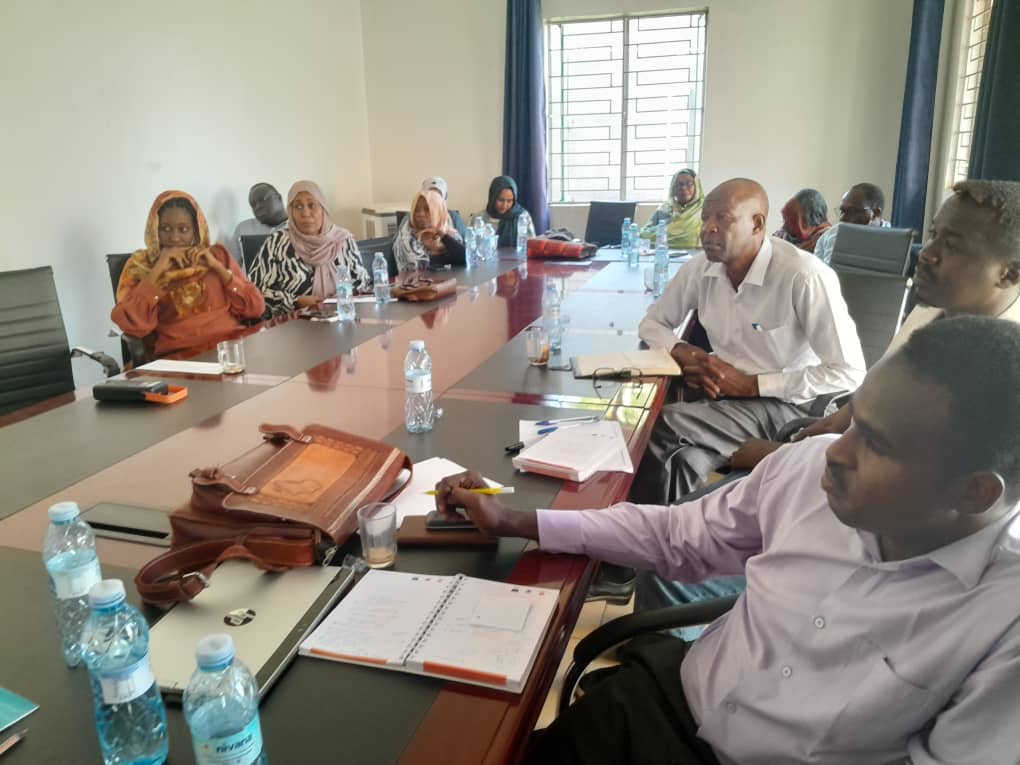
Project Objectives
1. Promote peaceful coexistence, mutual respect, and social
cohesion between refugees and host communities.
2. Strengthen community-based mechanisms for dialogue,
conflict prevention, mediation, and peaceful resolution of disputes.
3. Increase meaningful participation of youth and women in
peacebuilding, community dialogue, and local decision-making processes.
4. Build the capacity of refugees, community leaders, and
local actors in conflict prevention, peace education, mediation, and
non-violent communication.
5. Promote community-led initiatives that address tensions,
strengthen trust, and build resilience among refugee and host communities.
6. Strengthen partnerships and coordination among
refugee-led organizations, community structures, civil society, humanitarian
actors, and relevant authorities to support sustainable peace.
Key Activities
1. Promote peaceful coexistence, mutual respect, and social
cohesion between refugees and host communities.
2. Strengthen community-based mechanisms for dialogue,
conflict prevention, mediation, and peaceful resolution of disputes.
3. Increase meaningful participation of youth and women in
peacebuilding, community dialogue, and local decision-making processes.
4. Build the capacity of refugees, community leaders, and
local actors in conflict prevention, peace education, mediation, and
non-violent communication.
5. Promote community-led initiatives that address tensions,
strengthen trust, and build resilience among refugee and host communities.
6. Strengthen partnerships and coordination among
refugee-led organizations, community structures, civil society, humanitarian
actors, and relevant authorities to support sustainable peace.
Target Groups
1. Organize community dialogues and peace forums bringing
together refugees, host communities, youth, women, and community leaders.
2. Conduct training and capacity building on conflict
prevention, mediation, non-violent communication, peace education, and
community reconciliation.
3. Establish and strengthen community-based peace committees
and early-warning mechanisms for identifying and addressing emerging tensions.
4. Implement youth-led and women-led peacebuilding
initiatives that promote meaningful participation, leadership, and positive
community engagement.
5. Conduct peace education, awareness campaigns, and
community outreach promoting tolerance, diversity, mutual respect, and peaceful
coexistence.
6. Facilitate mediation and community-based approaches for
the peaceful resolution of disputes and prevention of violence.
7. Support cultural, sports, and community activities that
build trust and strengthen relationships between refugees and host communities.
8. Strengthen coordination and partnerships with community
leaders, refugee-led organizations, civil society, humanitarian actors, local
authorities, and relevant peacebuilding institutions.
Expected Results
1. Improved peaceful coexistence, trust, and social cohesion
between refugees and host communities.
Increased capacity of community members, youth, women,
and local leaders to prevent, manage, and peacefully resolve conflicts.
2. Strengthened community-based dialogue, mediation,
conflict-prevention, and early-warning mechanisms.
Increased meaningful participation and leadership of
youth and women in peacebuilding and community decision-making processes.
3. Improved awareness and practice of tolerance,
non-violence, diversity, mutual respect, and peaceful coexistence.
4. Reduced community tensions and strengthened mechanisms
for addressing disputes before they escalate into violence.
5. Enhanced inclusion of persons with disabilities and other
vulnerable or marginalized groups in community peacebuilding processes.
6. Strengthened coordination and partnerships among
refugee-led organizations, host communities, civil society, humanitarian
actors, community leaders, and relevant authorities for sustainable peace.
Geographic Focus
1. Kampala and the Greater Kampala Metropolitan Area, with a
focus on refugee-hosting urban communities and areas where strengthened social
cohesion and peaceful coexistence are needed.
2. Refugee settlements and surrounding host communities
across Uganda based on identified conflict dynamics, community tensions,
displacement patterns, and peacebuilding needs.
3. Northern Uganda and other refugee-hosting areas where
community dialogue, conflict prevention, youth engagement, and locally led
peacebuilding initiatives can strengthen resilience and social cohesion.
4. The program may expand to additional locations based on
conflict and community assessments, local priorities, accessibility, available
resources, partnerships, and coordination with relevant authorities and
humanitarian and peacebuilding actors.
Support This Project
Your support helps strengthen peaceful coexistence between refugees and host communities through community dialogue, conflict prevention, peace education, mediation, and meaningful youth and women engagement. Together, we can reduce community tensions, build trust, strengthen locally led peacebuilding mechanisms, and create more inclusive, resilient, and peaceful communities.